

 Image 1 of 2
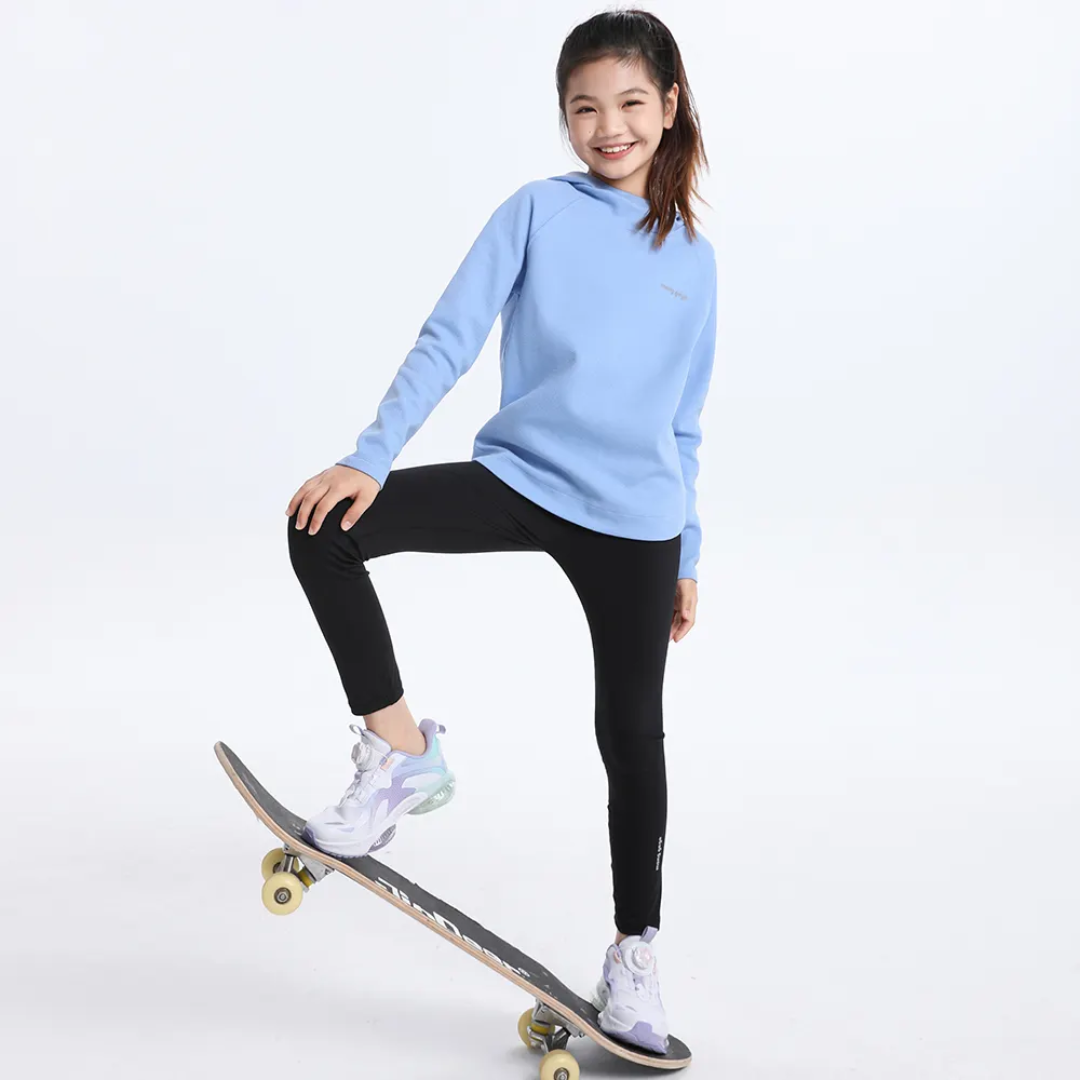 Image 2 of 2
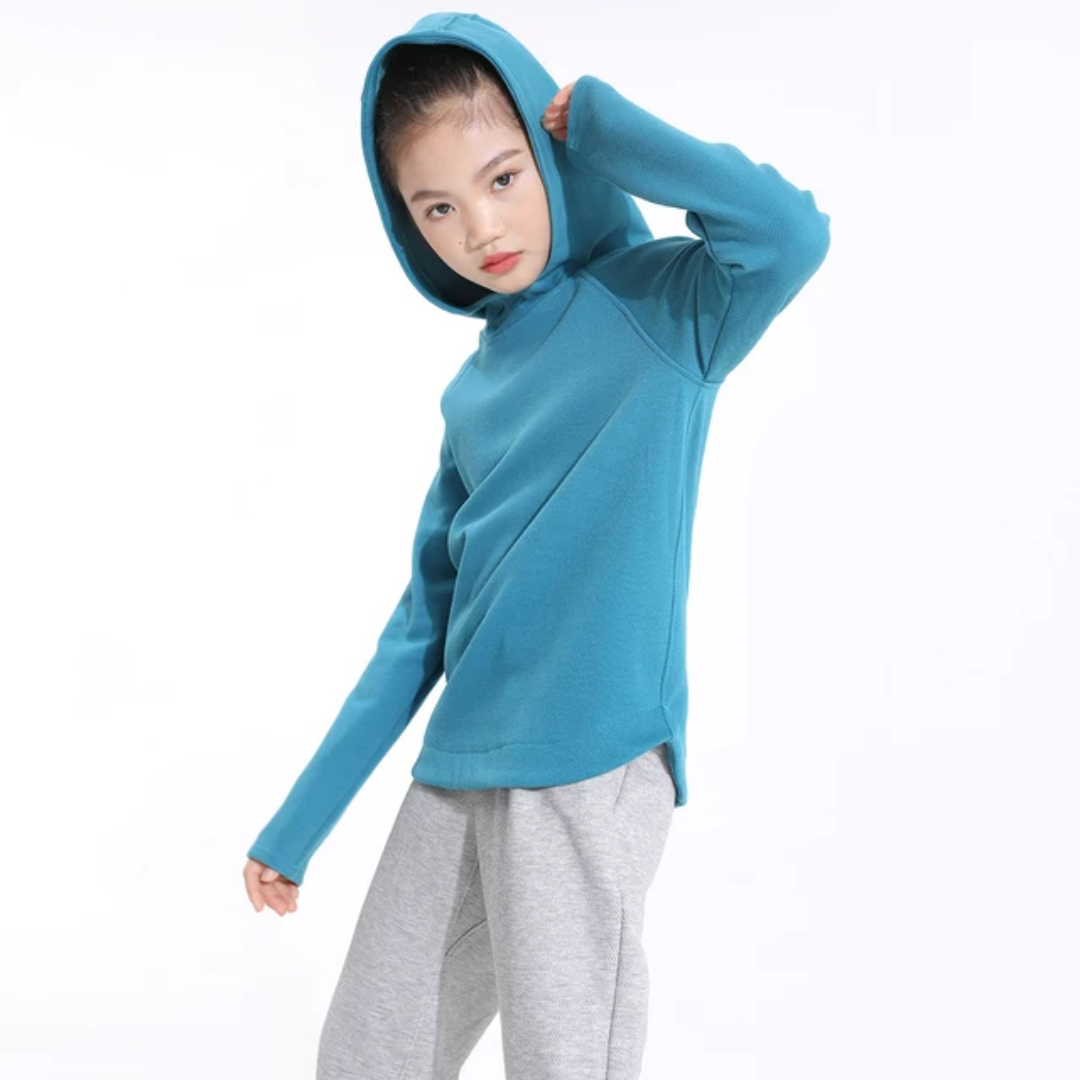
Kids sweater shirts
These Kids sweatshirts
Keep them warm, dry, and comfortable all season with practical, durable winter wear designed for active play. Here’s a concise guide to essential pieces, materials to look for, fit tips, and care advice.
Essentials
Winter coat: Insulated, water-resistant outer shell with a warm fill (down or synthetic). Look for a hood, storm cuffs, and a longer hem to seal out wind and snow.
Snow bibs or pants: Waterproof or water-resistant with taped seams, adjustable straps, and reinforced knees/seat for durability.
Base layers: Moisture-wicking long johns in merino wool or synthetic blends to keep skin dry and warm.
Mid layers: Fleece or lightweight insulated jackets for added warmth that layers easily under a coat.
Hats and balaclavas: Windproof and insulating; a snug fit prevents heat loss from the head.
Gloves or mittens: Waterproof shells with insulated lining; mittens are warmer for very cold conditions, while gloves offer better dexterity.
Boots: Waterproof, insulated boots with good traction and removable liners for drying. Ensure room for warm socks without making the boot tight.
Socks: Thermal socks in wool or wool blends; avoid cotton which traps moisture.
Neck gaiters and scarves: Gaiters are safer for active kids and easier to tuck inside coats.
Materials & Features to Prioritize
Waterproof/breathable membranes (e.g., PU coating, laminated membranes) to keep moisture out while allowing sweat to evaporate.
Insulation: Down for high warmth-to-weight ratio; synthetic for better wet-weather performance and easier care.
Sealed/taped seams in outerwear for added protection from snow and slush.
Durable water-repellent (DWR) finish to help shed light moisture.
Stretch panels for mobility and comfort during play.
Reflective details for low-light visibility.
Fit & Sizing Tips
Allow layering space: Clothes should fit comfortably with one mid layer underneath without restricting movement.
Growth room: Choose adjustable features (elastic waists, extendable cuffs, adjustable hems) to extend the useful life through a season or two.
Try boots with the child wearing the socks they’ll use and leaving about a thumb’s width of extra space at the toe.
Ensure gloves/mittens allow finger movement; mittens can be sized slightly larger to accommodate thicker liners.
Care & Maintenance
Follow garment labels for washing and drying. Use gentle detergents formulated for technical outerwear.
Reapply DWR treatment after washing if water no longer beads on the surface.
Air out and fully dry insulated items and boots between uses to prevent odor and mildew.
Kids Winter Wear
Keep kids warm, dry, and comfortable all season with practical, durable winter wear designed for active play. Here’s a concise guide to essential pieces, materials to look for, fit tips, and care advice.
Essentials
Winter coat: Insulated, water-resistant outer shell with a warm fill (down or synthetic). Look for a hood, storm cuffs, and a longer hem to seal out wind and snow.
Snow bibs or pants: Waterproof or water-resistant with taped seams, adjustable straps, and reinforced knees/seat for durability.
Base layers: Moisture-wicking long johns in merino wool or synthetic blends to keep skin dry and warm.
Mid layers: Fleece or lightweight insulated jackets for added warmth that layers easily under a coat.
Hats and balaclavas: Windproof and insulating; a snug fit prevents heat loss from the head.
Gloves or mittens: Waterproof shells with insulated lining; mittens are warmer for very cold conditions, while gloves offer better dexterity.
Boots: Waterproof, insulated boots with good traction and removable liners for drying. Ensure room for warm socks without making the boot tight.
Socks: Thermal socks in wool or wool blends; avoid cotton which traps moisture.
Neck gaiters and scarves: Gaiters are safer for active kids and easier to tuck inside coats.
Materials & Features to Prioritize
Waterproof/breathable membranes (e.g., PU coating, laminated membranes) to keep moisture out while allowing sweat to evaporate.
Insulation: Down for high warmth-to-weight ratio; synthetic for better wet-weather performance and easier care.
Sealed/taped seams in outerwear for added protection from snow and slush.
Durable water-repellent (DWR) finish to help shed light moisture.
Stretch panels for mobility and comfort during play.
Reflective details for low-light visibility.
Fit & Sizing Tips
Allow layering space: Clothes should fit comfortably with one mid layer underneath without restricting movement.
Growth room: Choose adjustable features (elastic waists, extendable cuffs, adjustable hems) to extend the useful life through a season or two.
Try boots with the child wearing the socks they’ll use and leaving about a thumb’s width of extra space at the toe.
Ensure gloves/mittens allow finger movement; mittens can be sized slightly larger to accommodate thicker liners.
Care & Maintenance
Follow garment labels for washing and drying. Use gentle detergents formulated for technical outerwear.
Reapply DWR treatment after washing if water no longer beads on the surface.
Air out and fully dry insulated items and boots between uses to prevent odor and mildew.
Repair small tears and replace broken zippers quickly to keep items functional.
Safety & Comfort Notes
Avoid long scarves that can pose entanglement risks during play; use neck gaiters instead.
Layering allows easy temperature regulation; remove mid layers when moving indoors to avoid overheating.
For very cold climates, follow local cold-weather guidelines for
These Kids sweatshirts
Keep them warm, dry, and comfortable all season with practical, durable winter wear designed for active play. Here’s a concise guide to essential pieces, materials to look for, fit tips, and care advice.
Essentials
Winter coat: Insulated, water-resistant outer shell with a warm fill (down or synthetic). Look for a hood, storm cuffs, and a longer hem to seal out wind and snow.
Snow bibs or pants: Waterproof or water-resistant with taped seams, adjustable straps, and reinforced knees/seat for durability.
Base layers: Moisture-wicking long johns in merino wool or synthetic blends to keep skin dry and warm.
Mid layers: Fleece or lightweight insulated jackets for added warmth that layers easily under a coat.
Hats and balaclavas: Windproof and insulating; a snug fit prevents heat loss from the head.
Gloves or mittens: Waterproof shells with insulated lining; mittens are warmer for very cold conditions, while gloves offer better dexterity.
Boots: Waterproof, insulated boots with good traction and removable liners for drying. Ensure room for warm socks without making the boot tight.
Socks: Thermal socks in wool or wool blends; avoid cotton which traps moisture.
Neck gaiters and scarves: Gaiters are safer for active kids and easier to tuck inside coats.
Materials & Features to Prioritize
Waterproof/breathable membranes (e.g., PU coating, laminated membranes) to keep moisture out while allowing sweat to evaporate.
Insulation: Down for high warmth-to-weight ratio; synthetic for better wet-weather performance and easier care.
Sealed/taped seams in outerwear for added protection from snow and slush.
Durable water-repellent (DWR) finish to help shed light moisture.
Stretch panels for mobility and comfort during play.
Reflective details for low-light visibility.
Fit & Sizing Tips
Allow layering space: Clothes should fit comfortably with one mid layer underneath without restricting movement.
Growth room: Choose adjustable features (elastic waists, extendable cuffs, adjustable hems) to extend the useful life through a season or two.
Try boots with the child wearing the socks they’ll use and leaving about a thumb’s width of extra space at the toe.
Ensure gloves/mittens allow finger movement; mittens can be sized slightly larger to accommodate thicker liners.
Care & Maintenance
Follow garment labels for washing and drying. Use gentle detergents formulated for technical outerwear.
Reapply DWR treatment after washing if water no longer beads on the surface.
Air out and fully dry insulated items and boots between uses to prevent odor and mildew.
Kids Winter Wear
Keep kids warm, dry, and comfortable all season with practical, durable winter wear designed for active play. Here’s a concise guide to essential pieces, materials to look for, fit tips, and care advice.
Essentials
Winter coat: Insulated, water-resistant outer shell with a warm fill (down or synthetic). Look for a hood, storm cuffs, and a longer hem to seal out wind and snow.
Snow bibs or pants: Waterproof or water-resistant with taped seams, adjustable straps, and reinforced knees/seat for durability.
Base layers: Moisture-wicking long johns in merino wool or synthetic blends to keep skin dry and warm.
Mid layers: Fleece or lightweight insulated jackets for added warmth that layers easily under a coat.
Hats and balaclavas: Windproof and insulating; a snug fit prevents heat loss from the head.
Gloves or mittens: Waterproof shells with insulated lining; mittens are warmer for very cold conditions, while gloves offer better dexterity.
Boots: Waterproof, insulated boots with good traction and removable liners for drying. Ensure room for warm socks without making the boot tight.
Socks: Thermal socks in wool or wool blends; avoid cotton which traps moisture.
Neck gaiters and scarves: Gaiters are safer for active kids and easier to tuck inside coats.
Materials & Features to Prioritize
Waterproof/breathable membranes (e.g., PU coating, laminated membranes) to keep moisture out while allowing sweat to evaporate.
Insulation: Down for high warmth-to-weight ratio; synthetic for better wet-weather performance and easier care.
Sealed/taped seams in outerwear for added protection from snow and slush.
Durable water-repellent (DWR) finish to help shed light moisture.
Stretch panels for mobility and comfort during play.
Reflective details for low-light visibility.
Fit & Sizing Tips
Allow layering space: Clothes should fit comfortably with one mid layer underneath without restricting movement.
Growth room: Choose adjustable features (elastic waists, extendable cuffs, adjustable hems) to extend the useful life through a season or two.
Try boots with the child wearing the socks they’ll use and leaving about a thumb’s width of extra space at the toe.
Ensure gloves/mittens allow finger movement; mittens can be sized slightly larger to accommodate thicker liners.
Care & Maintenance
Follow garment labels for washing and drying. Use gentle detergents formulated for technical outerwear.
Reapply DWR treatment after washing if water no longer beads on the surface.
Air out and fully dry insulated items and boots between uses to prevent odor and mildew.
Repair small tears and replace broken zippers quickly to keep items functional.
Safety & Comfort Notes
Avoid long scarves that can pose entanglement risks during play; use neck gaiters instead.
Layering allows easy temperature regulation; remove mid layers when moving indoors to avoid overheating.
For very cold climates, follow local cold-weather guidelines for